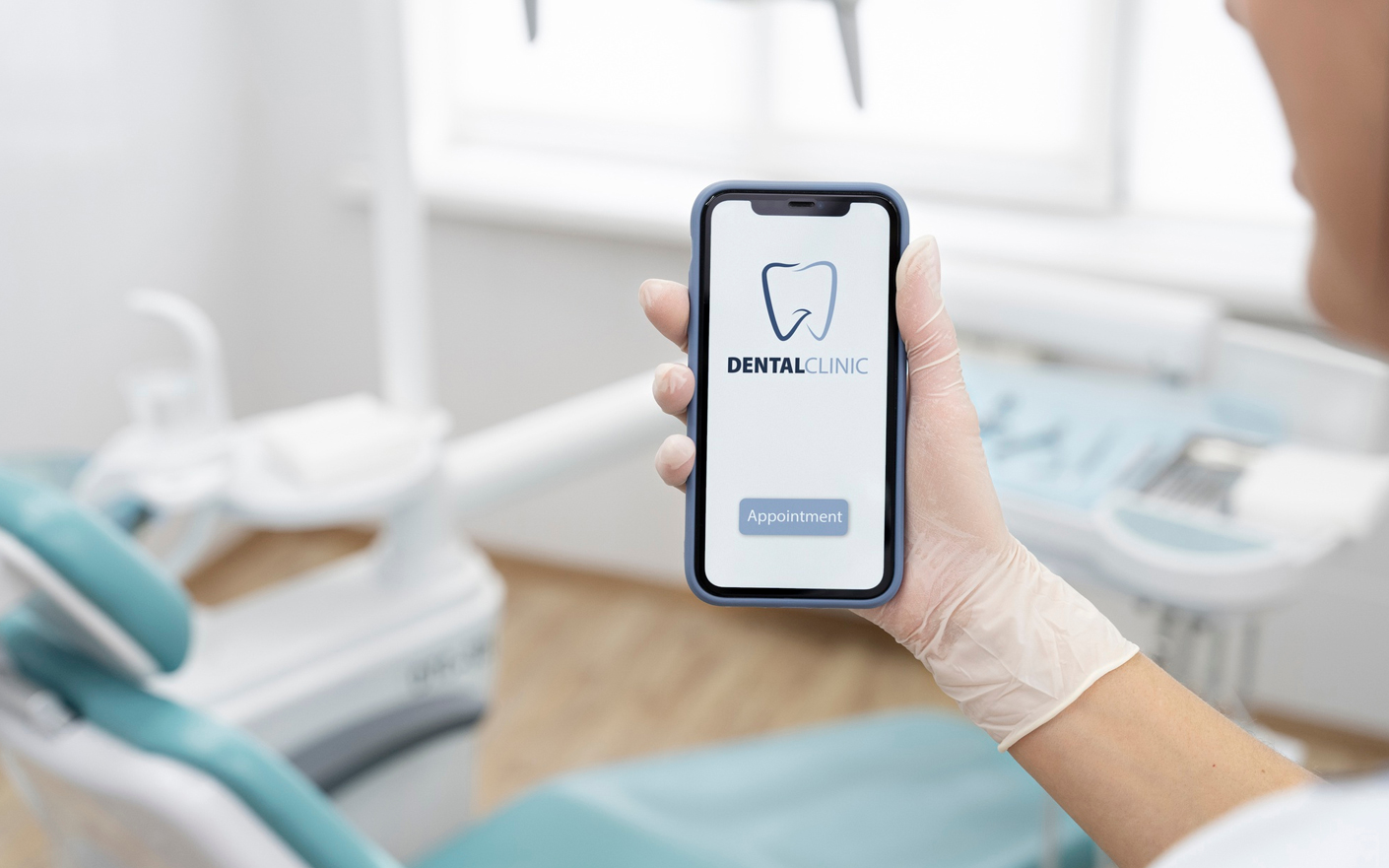
A high-converting dental website combines fast performance, intuitive navigation, mobile responsiveness, clear calls to action, and strong trust signals. It answers patient questions quickly, showcases credibility, and makes scheduling appointments simple. These features improve user experience, encourage engagement, and consistently turn website visitors into new patients for long-term practice growth.
Understanding "What makes a good dental website design?" helps practices create websites that attract qualified visitors and convert them into patients. Effective layouts, informative content, online scheduling, patient testimonials, and local SEO all work together to strengthen visibility, build trust, and support steady appointment growth over time.
Why do fast loading speeds and mobile optimization matter?
A fast, mobile-friendly website improves both user experience and search engine visibility. Most patients search for dental care on smartphones, and slow websites often lose visitors before they even read the content.
Google also considers page experience when ranking websites. Responsive layouts, optimized images, and streamlined coding help pages load quickly across devices. When evaluating "What makes a good dental website design?", performance is just as important as appearance because patients expect immediate access to information.
How do trust signals increase appointment conversions?
Trust signals reassure visitors that they are choosing a reliable dental practice. Reviews, provider credentials, before-and-after photos, patient testimonials, and professional certifications all help reduce hesitation.
People are more likely to schedule an appointment when they can easily verify a practice's experience and reputation. Displaying transparent office information, insurance details, financing options, and accurate service descriptions also creates confidence. Our experience shows that trust-building elements often influence patient decisions as much as attractive design.
How does content help convert website visitors into patients?
Educational content answers patient questions before they contact the practice. Informative pages, treatment explanations, FAQs, and blog articles demonstrate expertise while supporting search engine optimization.
Every service page should explain benefits, procedures, recovery expectations, and common concerns using clear language. Understanding “What makes a good dental website design?” includes providing helpful, accurate content that positions a practice as a reliable source of information. We believe patients appreciate straightforward answers that help them make informed decisions with confidence.
What calls to action generate more appointments?
Effective calls to action clearly tell visitors what to do next. Buttons such as "Schedule an Appointment," "Request a Consultation," or "Call Today" should remain visible throughout the website.
Reducing unnecessary forms and simplifying appointment requests removes barriers that discourage potential patients. Contact information should also be easy to locate on every page. Businesses evaluating "What makes a good dental website design?" should ensure every page naturally guides users toward taking action.
How does SEO improve the effectiveness of a dental website?
Search engine optimization helps qualified patients discover a practice when searching online. Strong SEO combines relevant content, optimized page structure, local search signals, and technical website performance.
Local optimization is especially valuable because patients typically search for providers near their homes or workplaces. What makes a good dental website design also includes a solid SEO foundation with optimized title tags, service pages, and location-specific content that improve visibility while supporting long-term growth. Our approach combines user experience with technical optimization, so websites attract both visitors and search engines.
Frequently Asked Questions
Does website design affect how many appointments a dental practice receives?
Yes. Website design directly influences patient confidence and usability. Fast loading pages, simple navigation, trust signals, and clear appointment options encourage visitors to schedule consultations instead of leaving the site. An effective design supports both patient satisfaction and business growth.
Can a dental website rank well without quality content?
No. High-quality content helps search engines understand a website while answering common patient questions. Useful educational information improves credibility, supports SEO, and increases the likelihood that visitors will remain on the site long enough to request an appointment.
Is professional photography important for dental websites?
Yes. Authentic images of the dental team, office environment, and patient-friendly atmosphere create trust and help visitors feel comfortable before their first appointment. Professional visuals often outperform generic stock photography because they accurately represent the practice.
What makes a good dental website design for local SEO?
It includes accurate contact information, location-specific pages, optimized service content, fast performance, mobile responsiveness, and consistent business details across online listings. These elements help search engines connect local patients with the practice.
Should online appointment scheduling be included?
Yes. Online scheduling offers convenience and reduces friction during the booking process. Many patients prefer requesting appointments outside normal business hours, making digital scheduling an important feature for improving conversions. We recommend integrating secure scheduling tools that are simple to use on both desktop and mobile devices.
Conclusion
High-converting dental websites succeed because they prioritize patient experience before anything else. Speed, mobile responsiveness, trustworthy content, intuitive navigation, educational resources, and clear calls to action all work together to increase engagement and appointment requests.
Understanding "What makes a good dental website design?" allows practices to create a website that supports long-term growth while meeting the expectations of today's patients. At Solution21, thoughtful strategy and practical design principles help dental practices build websites that earn trust, improve visibility, and convert more visitors into loyal patients.